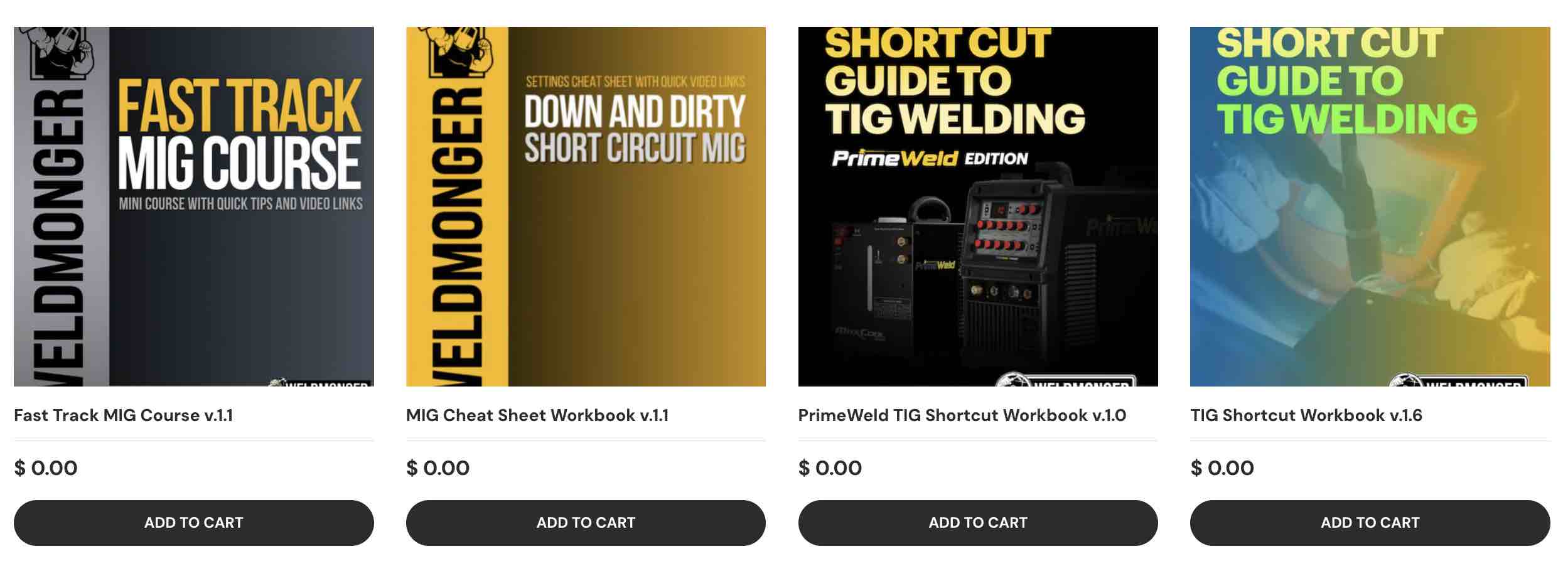
Take advantage of our Free Welding Guides loaded with Video links
The 5 basic joints in welding


The video below shows the 5 Basic Types of weld joints in action on Aluminum TIG welding
The 5 basic joints in welding are...
- corner joint
- lap joint
- edge joint
- butt joint
- tee joint

Here are the five basic types of weld joints along with their common applications:
1. Butt Joint
- Description: Two pieces of material are joined edge-to-edge in the same plane.
- Common Applications:
- Structural welding: Used in the construction of buildings and bridges where a full strength joint is specified
- Pipe welding: with the exception of socket welds which are fillet welded and could be classified as a lap joint, pipe welds are butt joints and almost always full penetration welds.
From pipelines, to oil and gas distribution, to sanitary stainless, butt joints are commonly used to join pipe and fittings.
- Sheet metal fabrication: Used in automotive. food service, and more.
2. Corner Joint
- Description: Two pieces of material are joined at a right angle to form an "L" shape.
- Common Applications:
- Frame construction: Used in the assembly of frames and enclosures.
- Box fabrication: Common in the manufacture of tanks, containers, and cabinets.
- Furniture making: Used in metal furniture and fixtures.
3. T-Joint
- Description: One piece of material is joined to the center of another piece at a right angle, forming a "T" shape.
- Common Applications:
- Structural frames: Used in the construction of support structures.
- Reinforcement: A common application for a tee joint would be a simple gusset...Common in adding strength to existing structures.
- Machinery: Used in the assembly of various machinery components.
4. Lap Joint
- Description: Two pieces of material overlap each other and are welded along the edges of the overlap.
- Common Applications:
- Sheet metal: lap joints are often used for doublers and patches....Used in automotive, aerospace, and shipbuilding industries.
- Electrical connections: Common in the assembly of battery packs and electrical contacts.
- Repair work: Used in patching or reinforcing existing metal structures.
5. Edge Joint
- Description: The edges of two pieces of material are placed side by side and welded along their common edge.
- Common Applications:
- Sheet metal welding: Used in the fabrication of sheet metal parts and components.
- Flange connections: Common in ductwork and piping systems.
- Thin materials: Used in applications where the material thickness is minimal.
An edge build up with weld metal to restore dimensions is sometimes more common that an actual joint.
Would you like to get free welding videos in your inbox every week?

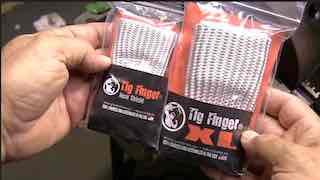
Tig FingersThe Real and Original TIG Finger® and XL model
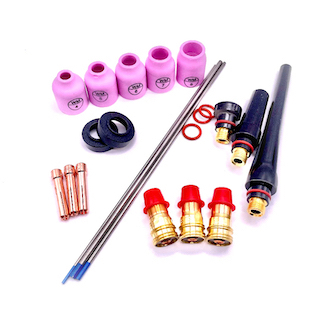
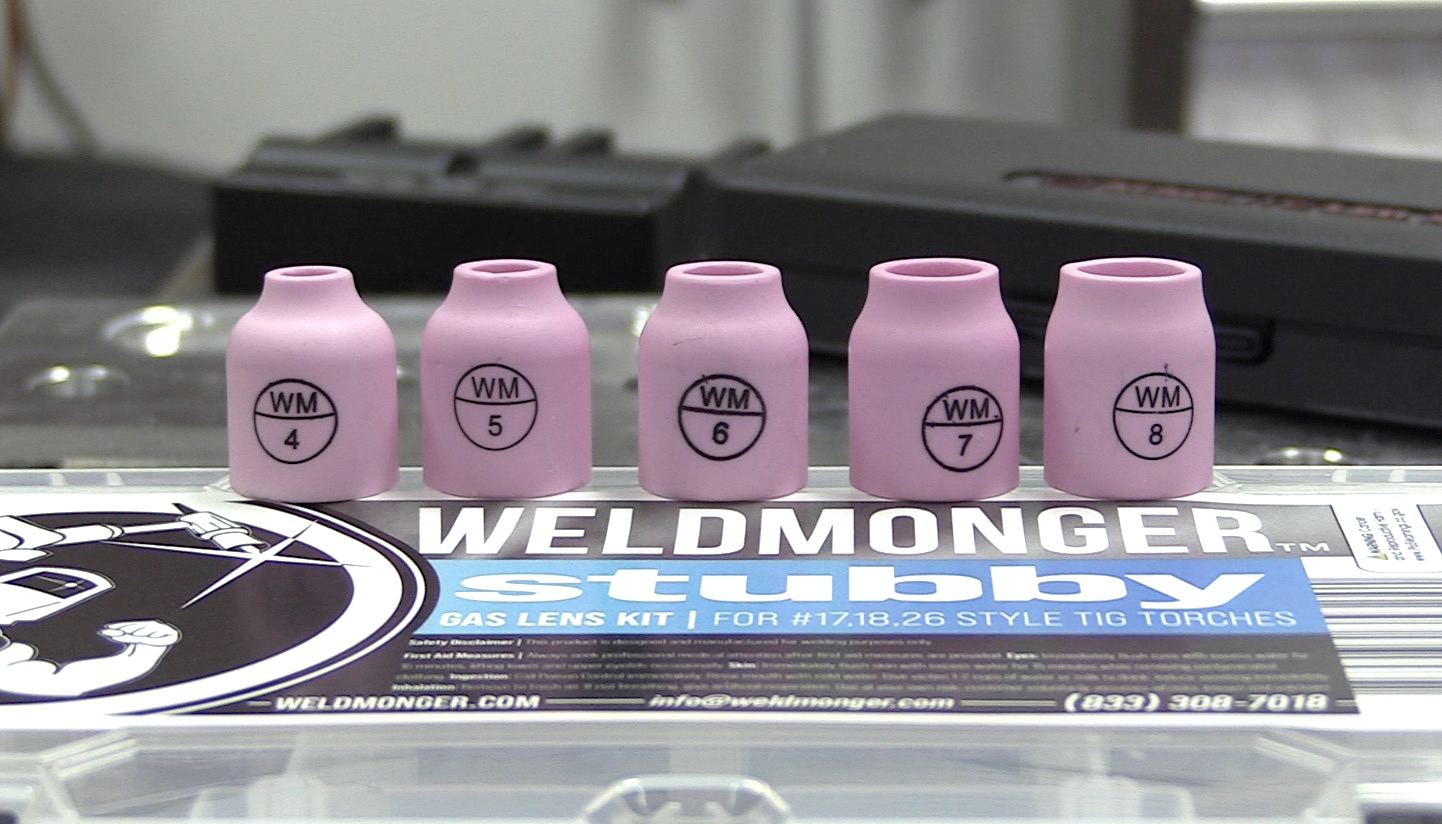
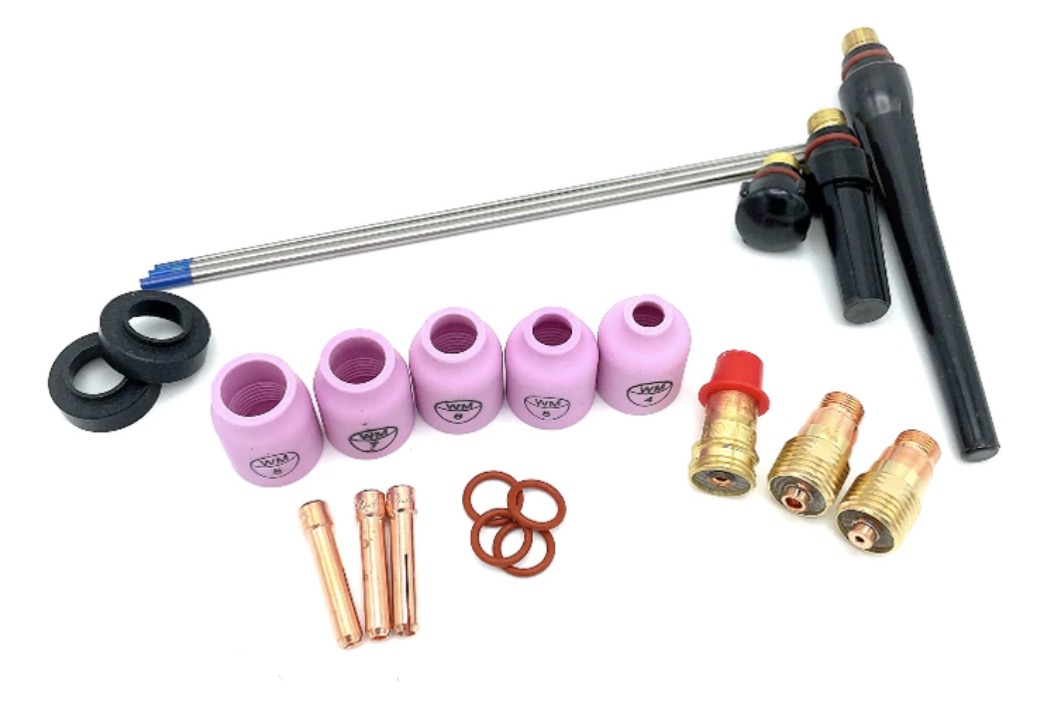
Stubby Gas Lens and Pro TIG kits
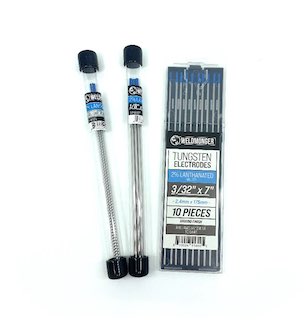
2% Lanthanated, CK LaYZr, Purple, more
Our Weldmonger Stubby Gas Lens kit is the Best