Take advantage of our Free Welding Guides loaded with Video links
How to Stick Weld Vertically with 7018 1/8"
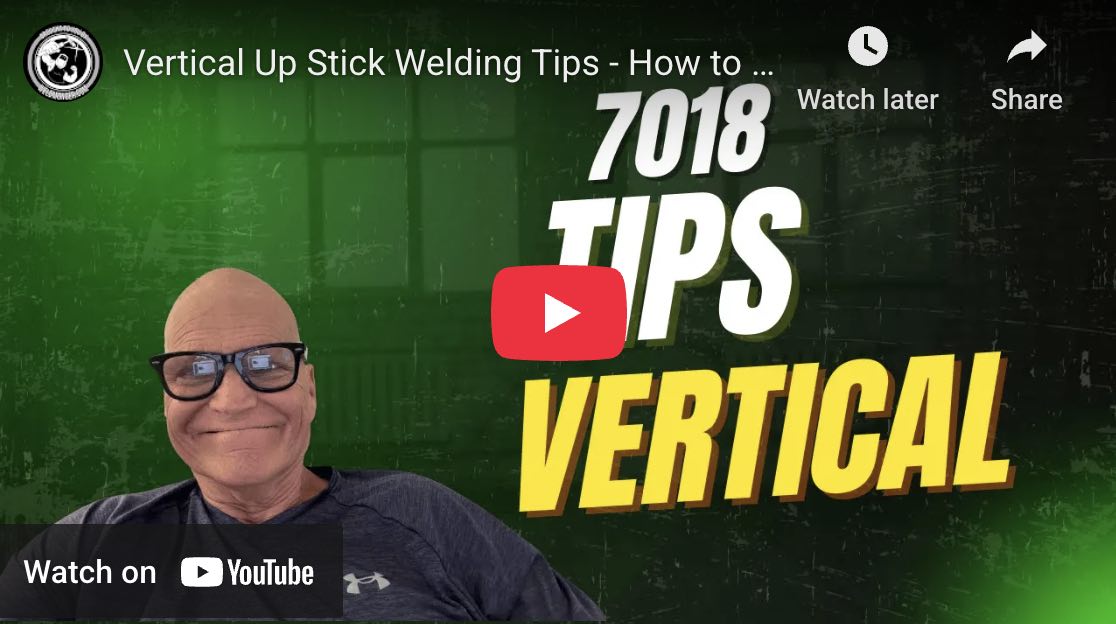


If you’re a welding student learning how to stick weld vertically (3F position on a tee joint) with 7018, here’s something important to understand early:
Vertical uphill welding magnifies mistakes—but it also rewards good fundamentals.
That’s why instructors emphasize the 3 A’s:
- Amperage
- Arc length
- Angle
If you can control those three things, everything else—travel speed, bead shape, slag control—starts to fall into place.
Let’s break these down in a student-friendly, test-relevant way, using real numbers and real-world examples.
1. Amperage: Turn It Down for Vertical Uphill
One of the most common student mistakes is using the same amperage for vertical welding that worked fine in flat or horizontal positions.
That usually doesn’t work.
Why Amperage Must Be Reduced
In vertical uphill welding:
- Gravity is pulling the molten puddle downward
- Heat builds up faster
- The puddle becomes harder to control
Because of that, vertical uphill requires less amperage than flat or horizontal welding with the same rod.
Real Example (Pay Attention to This)
- 2F horizontal tee joint
- 1/8" 7018
- ~125 amps
- Works well for a single-pass fillet
- 3F vertical uphill tee joint
- Same rod
- Same material thickness
- Reduce amperage by about 10 amps
- ~115 amps is more manageable for a single-pass fillet
That reduction helps:
- Keep the puddle from sagging
- Prevent slag from running ahead
- Give you time to pause at the toes
Student Tip
If your vertical weld feels out of control, don’t change technique first.
Lower the amperage slightly and see what happens.
2. Arc Length: Hold it Tighter Than you think
Arc length is one of the hardest things for students to judge—especially with 7018.
Here’s What Makes 7018 Tricky
The inside core wire of a 7018 electrode melts back inside the flux coating. Because of this:
- The arc is actually longer than it appears
- What looks close may already be too long
That’s why instructors constantly say:
“Keep a tight arc with 7018.”
What “Tight Arc” Really Means
- You do not want to jam the rod into the puddle
- But you do want to feel the flux coating touch occasionally
That light contact tells you:
- Your arc length is short enough
- The arc is stable
- Slag is more likely to stay behind the puddle
What Happens With a Long Arc
- Harsh, loud arc sound
- Excessive spatter
- Slag runs ahead of the weld
- Poor bead shape and fusion
Student Tip
If your weld looks messy and you’re not sure why, shorten the arc before changing anything else.
3. Angle: Slight Push Is Your Friend
Rod angle helps you control the puddle—and gravity—during vertical uphill welding.
Correct Angle for Vertical Uphill 7018
- Use a slight push angle upward
- About 5–15 degrees is ideal
This does two important things:
- Helps support the molten puddle
- Keeps slag from flowing ahead of the arc
Common Student Concern
Many students worry they’re “pushing too much.”
Here’s the reality:
If you aim for a 90-degree straight-in angle, you will almost always have a slight push angle without realizing it.
That’s normal—and helpful.
Side-to-Side Angle Matters Too
- Keep the rod square to the joint
- Don’t lean too much toward one side
- Pause evenly on both toes for good fusion
Student Tip
If you’re getting undercut or poor toe fusion, check your angle before changing amperage.
Putting It All Together (What Instructors Want to See)
When your 3 A’s are in the right range:
- The puddle stays small and controllable
- Slag curls neatly behind the bead
- The bead stacks upward instead of falling out
- Tie-in at the toes is consistent
This is exactly what instructors—and weld tests—are looking for.
Final Advice for Welding Students
Vertical uphill welding with 7018 is not about speed or strength.
It’s about patience, observation, and control.
If you remember nothing else, remember this:
- Lower the amperage
- Keep the arc tighter than you think
- Use a slight push angle and let the rod support the puddle
Master those fundamentals, and vertical up stick welding will stop feeling impossible—and start feeling repeatable.

Would you like to get free welding videos in your inbox every week?

Tig FingersThe Real and Original TIG Finger® and XL model
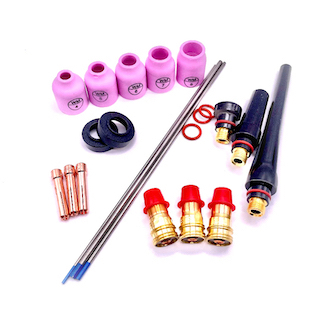
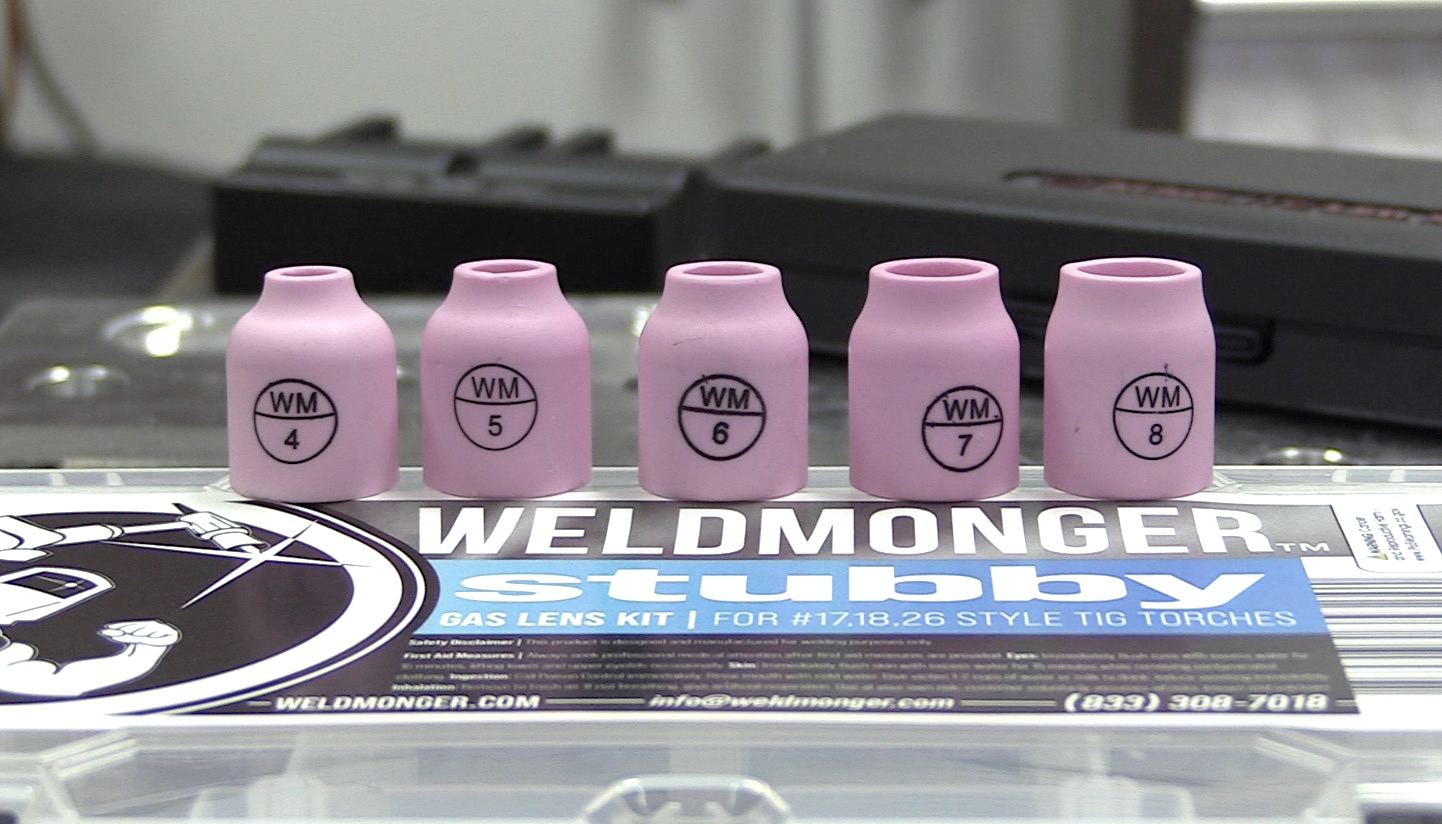
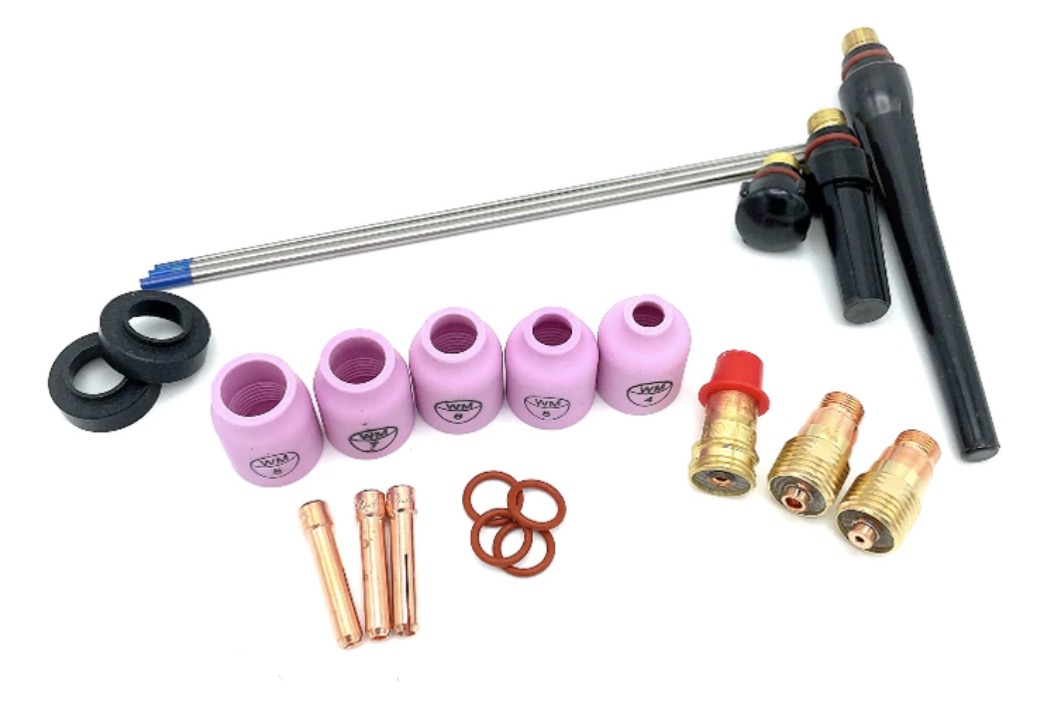
Stubby Gas Lens and Pro TIG kits
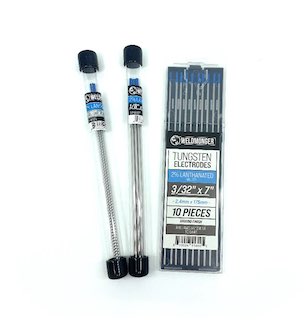
2% Lanthanated, CK LaYZr, Purple, more
Our Weldmonger Stubby Gas Lens kit is the Best