Aluminum Tig Welding Overhead with a Fingertip Amperage Control

- HOME
- TIG WELDING ALUMINUM
- How to Tig Aluminum
- Aluminum Tig
You might like these
Aluminum Welding Training on your own - just you and your tig machine
The best Aluminum Welding Training you can get on your own - How to Get better at Tig Welding
Welding Aluminum with Tig
Videos on Tig Welding Aluminum and learning how to tig weld
see more tig welding aluminum videos or go to the main TIG welding page
For this video page , we use a fingertip amperage control for aluminum tig welding overhead.
So why are we talking about torch mounted amperage controls in this article on aluminum tig welding overhead?
Because overhead welding…or welding out of position and all over the place is a time when you might think about a torch mounted fingertip amperage control instead of dragging your foot pedal all over the place.
I tried to give a comparison of 2 different styles of remote finger tip controls in this page but as luck would have it, one of them had the wrong pin configuration for my Miller Dynasty 200DX.
So the only torch mounted amperage control I was able to test this day was a Miller brand with a dial wheel….a RCCS-6M Control (6-pin plug) with a north/south rotary wheel.
The options Miller offers on fingertip amperage controls are:
• north south slide action
• east west wheel
• or north south wheel
One Main thing to consider is making sure you get the right pin configuration. You cant just buy any remote fingertip amperage control and expect it to plug and play.
So why not just get a fingertip amperage control and use it for everything?
Because it is not as good as a foot pedal. You have less control. As hard as you try to adjust the amperage dial without moving the tip of the tungsten, it still moves.
If you don't believe it, try welding something really tedious like razor blades or coke cans with a fingertip amperage control
You will see what I mean in about 2 seconds.
TIps for Aluminum Tig Welding Overhead
exit this aluminum tig fingertip control page and see more tig welding tips
Would you like to get free welding videos in your inbox every week?

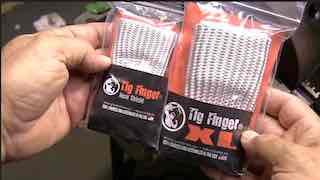
Tig FingersThe Real and Original TIG Finger® and XL model
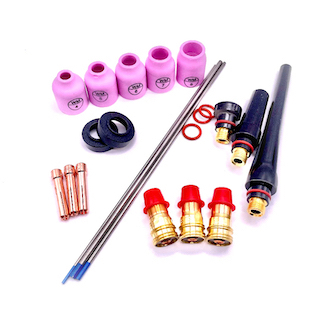
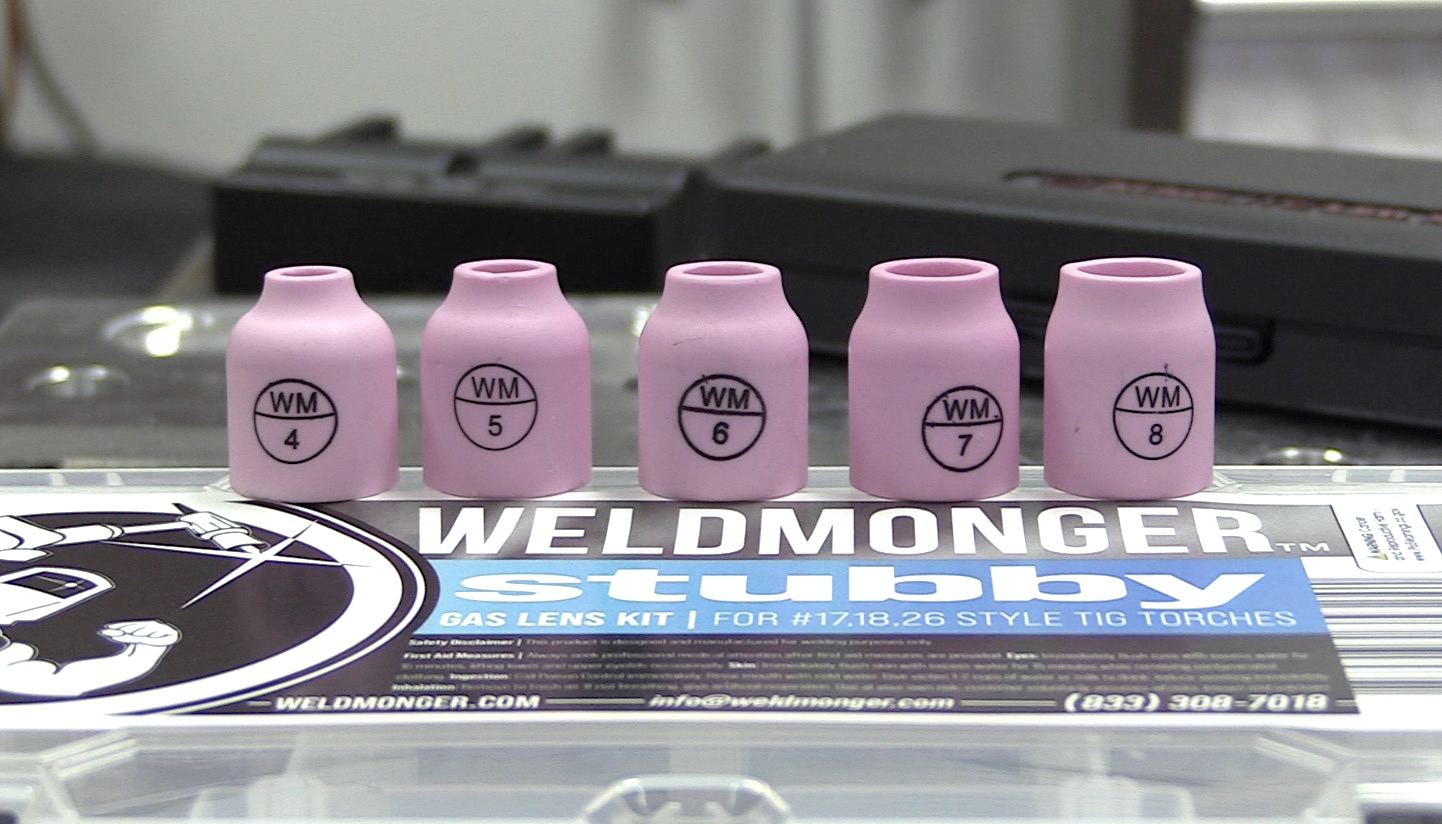
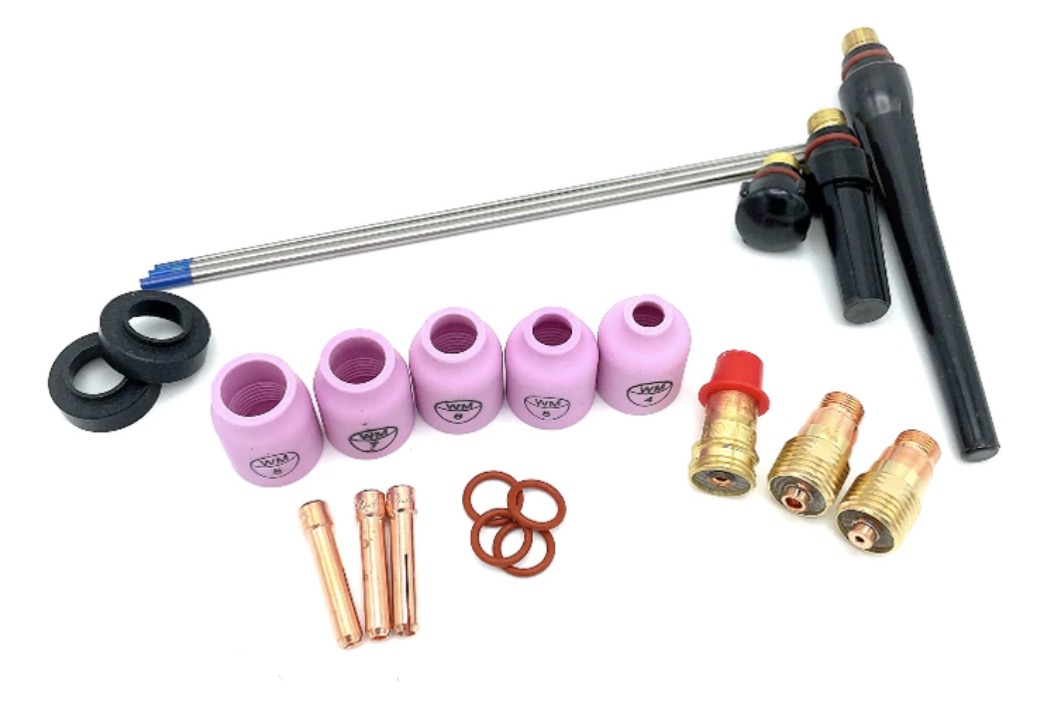
Stubby Gas Lens and Pro TIG kits
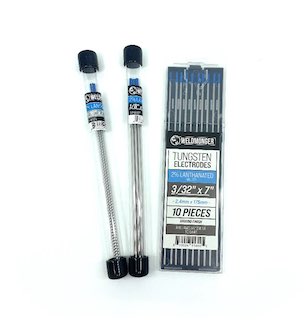
2% Lanthanated, CK LaYZr, Purple, more
Our Weldmonger Stubby Gas Lens kit is the Best

 Subscribe To This Site

