A Plasma Cutter generates a plasma column that is Hotter than 20,000F...Compare that to 6,000F of an Oxyfuel Torch
watch the miller plasma cutter video part1
see part 2 on the spectrum 625 Xtreme miller plasma cutter
How does a plasma cutter work?
This short animated video (about 30 seconds) of a miller plasma arc cutting torch explains how it works. Pay attention and dont blink or you will miss something.
The plasma cutting torch holds the electrode in a recessed chamber where gas is heated to plasma .
The tip of the torch holds the constricting nozzle with an orifice for the arc and plasma to pass thru. The arc is constricted into a focused plasma column of ionizing gas that is able to carry much more energy than an ordinary welding arc.
As compared to an oxyacetylene flame which is around 6000F, A plasma arc is upwards of 20,000F. This intense focused heat allows for quicker cuts and less distortion.
Some High end plasma cutting systems use Nitrogen and other gas mixes. But the more economical and Popular models of plasma cutters just use dry compressed air to create the plasma gas by swirling it inside the torch where the consumable electrode and nozzle interact. The compressed air rushing through the torch help to keep the nozzle and electrode cool also.
One thing about plasma cutters that is not often mentioned is plasma cutting safety.
Mainly, that the risk of injury from electric shock is considerably greater than with a welding machine. Why? because there is more voltage at the torch. That is why you never want to be holding a part with one hand and cutting it with the other with no gloves on...or really at all.
You could get a fatal shock. Did I say fatal? That's because "Fatal" is what I meant....please Be careful
This little fun fact is kind of glossed over. The manufacturers all mention it in their operation manuals but its not a really good selling point to say.... "Oh and by the way, some of you who buy this equipment may die...but that's a chance we are willing to take" (loosely quoted from the move Shrek..Lord Farquaad).
So just Make sure to read and follow the manufacturers safety guide for any plasma cutter you use. I used plasma cutters for years before I learned the real risks... But I still aint scared.
Cutting a Sheet metal Duct with a Plasma Cut machine
Did you notice that the tip is touching the metal while he makes the cut?
At low amperages like what is used on thin sheet metal like this duct, the tip can be kept in contact and the cut becomes very much like drawing a line with a pencil.
A very small cut line (kerf) if created and heat input is so minimal, you can just about handle the metal right after cutting.
Tips have to be replaced pretty often if you want tight cuts like this.
exit plasma cutter page and see more welding videos

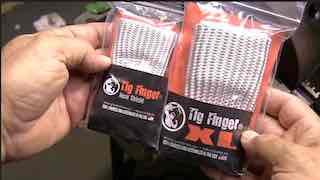
Tig FingersThe Real and Original TIG Finger® and XL model
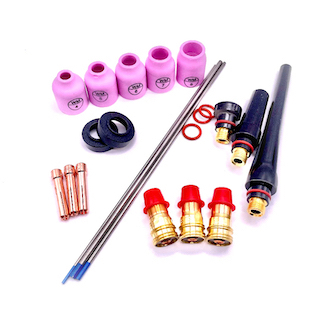
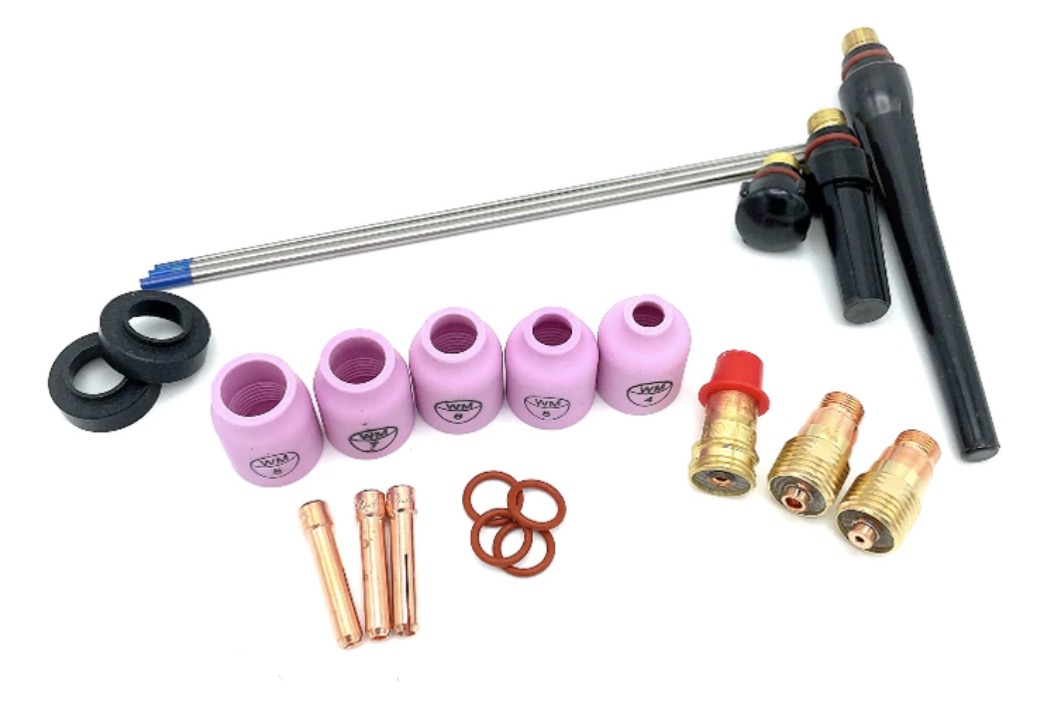
Stubby Gas Lens and Pro TIG kits
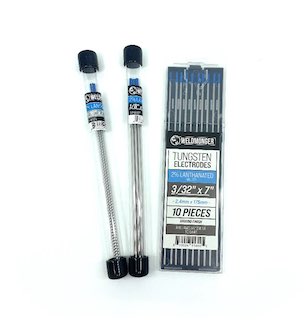
2% Lanthanated, CK LaYZr, Purple, more
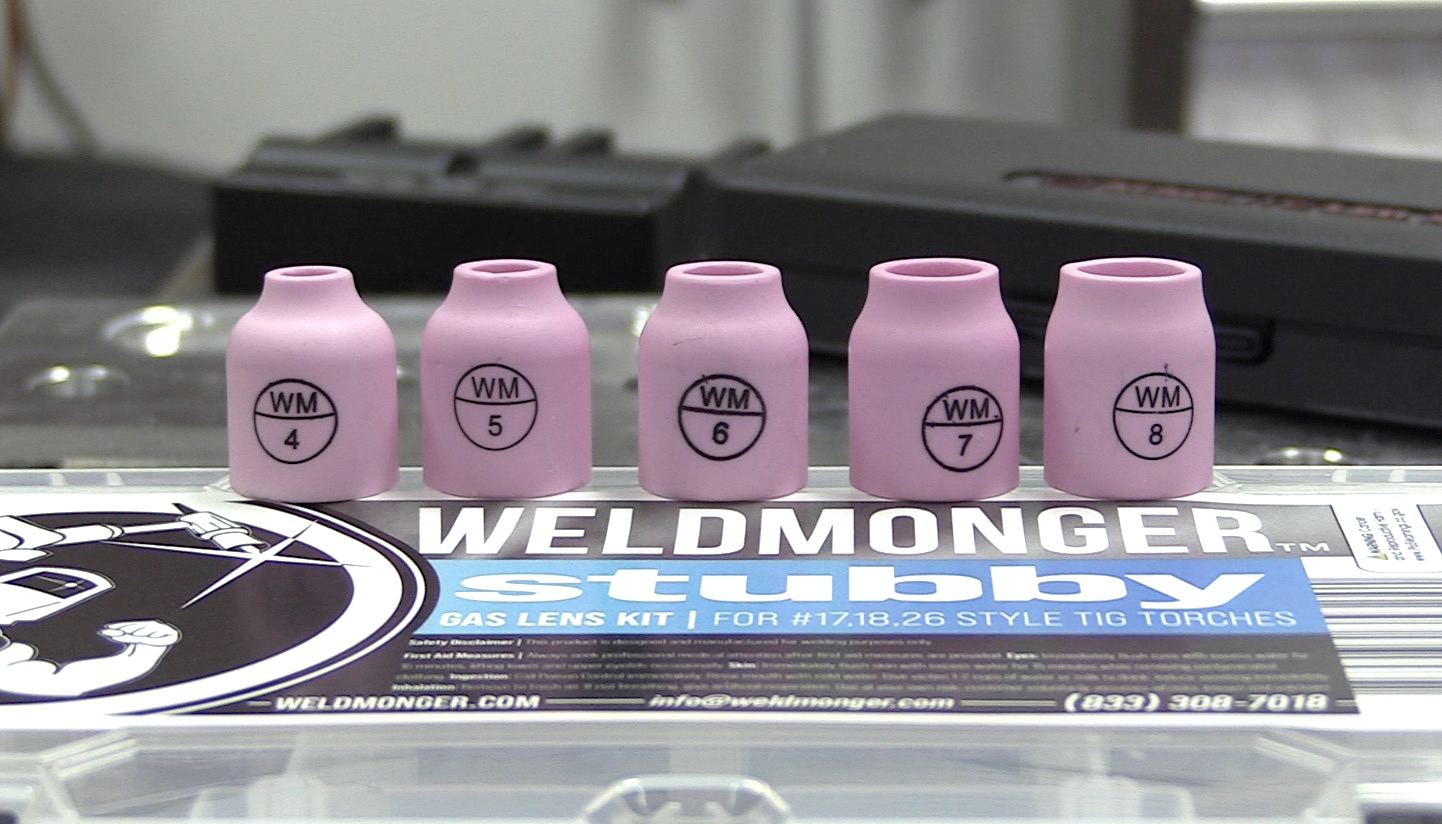
Our Weldmonger Stubby Gas Lens kit is the Best

 Subscribe To This Site

