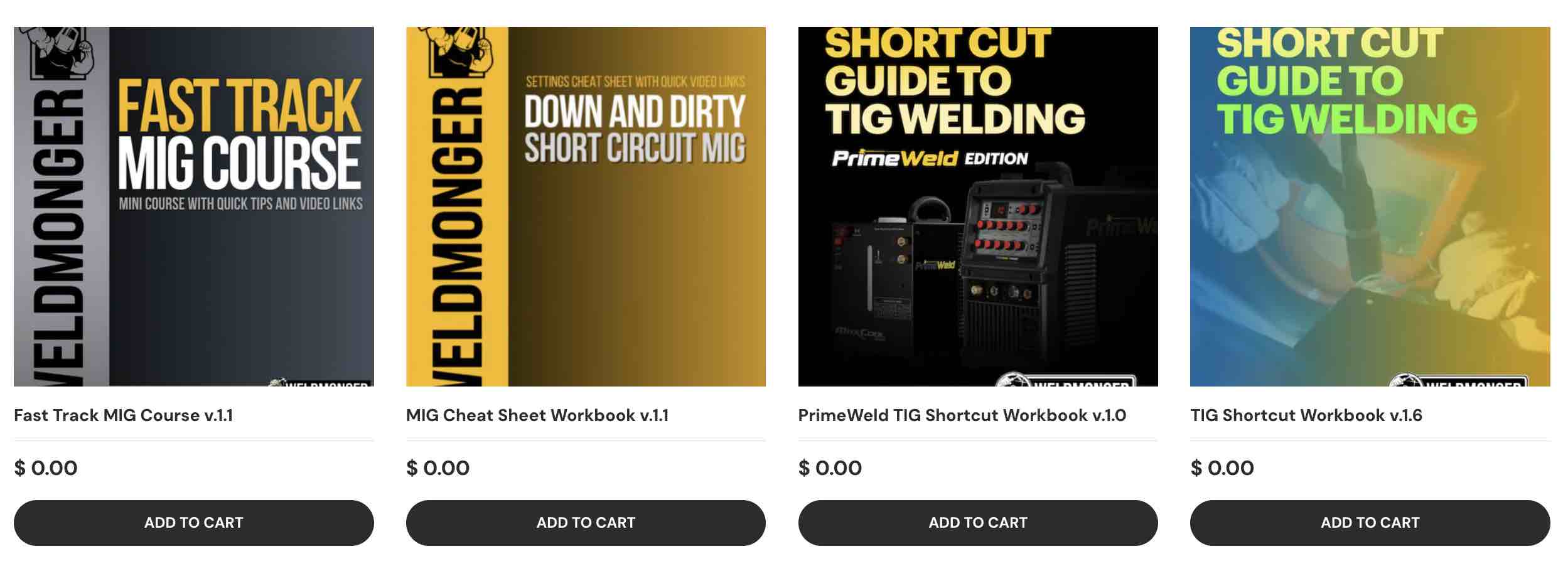
Take advantage of our Free Welding Guides loaded with Video links
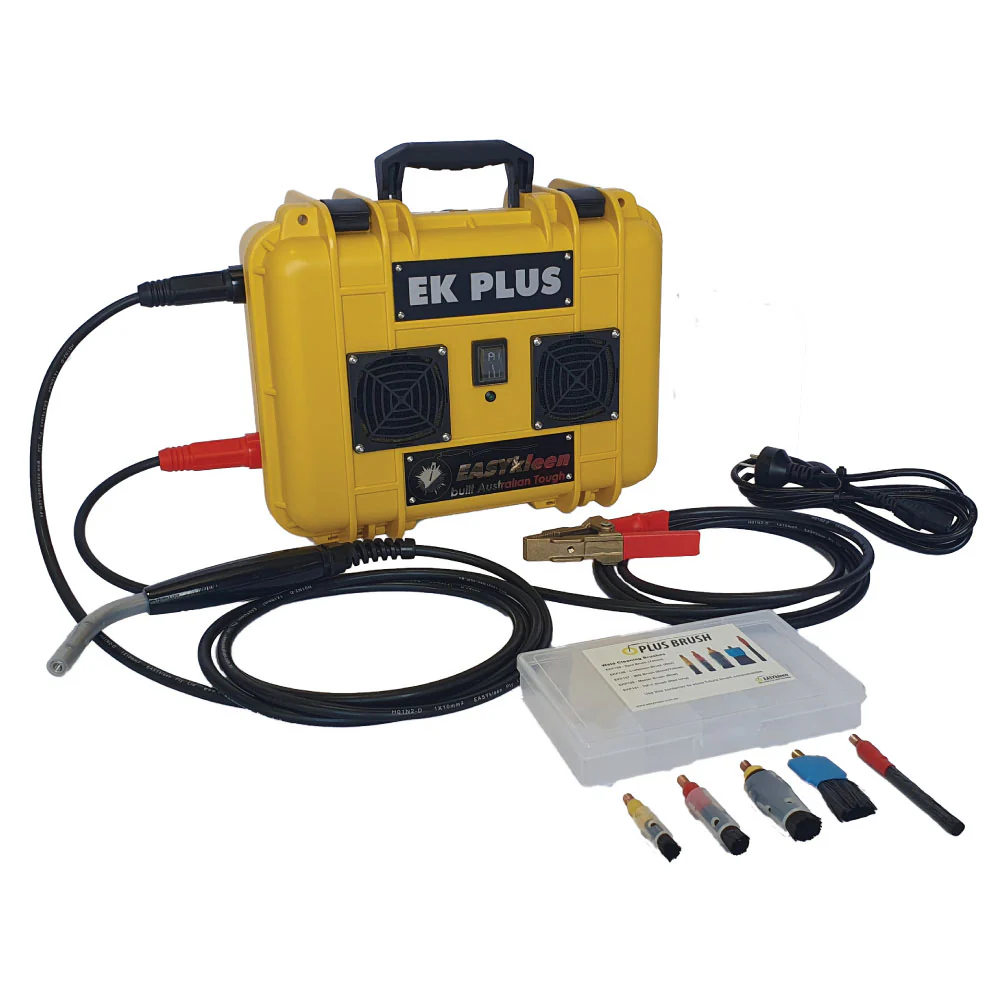
EASY kleen Stainless Cleaner

The heat tint rainbow colors on a stainless TIG weld might look nice but when left intact, makes it not as corrosion resistant as pure unwelded stainless steel. The heat tint is a layer of oxide that is not as resistant to rust and corrosion as the pure stainless underneath.
Electropolishing not only removes the oxide, but also removes a very tiny layer of material to leave a pure stainless surface that is as corrosion resistant as possible.
Some industries can benefit greatly from an electropolishing unit like the EASYkleen.
When Stainless steel is specified, it is usually because resistance to corrosion is one of the main goals.
So it makes sense to maintain stainless properties during the entire welding process from beginning to end.
Here are some best practices for tig welding stainless that help to maintain stainless properties:
- Letting multipass welds cool between passes to avoid overheating (maximum interpass temperature is usually around 350F)
- Using dedicated abrasives and tools like files that have only been used on stainless
- using dedicated stainless wire brushes
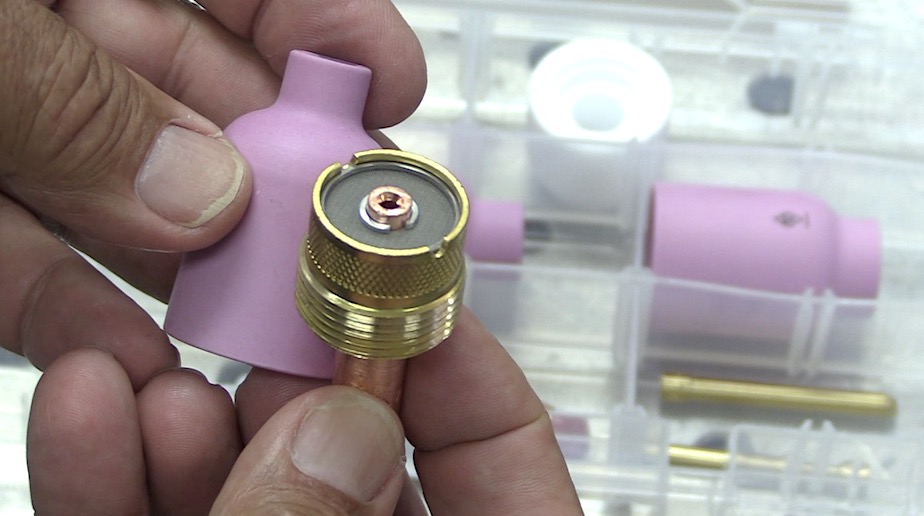
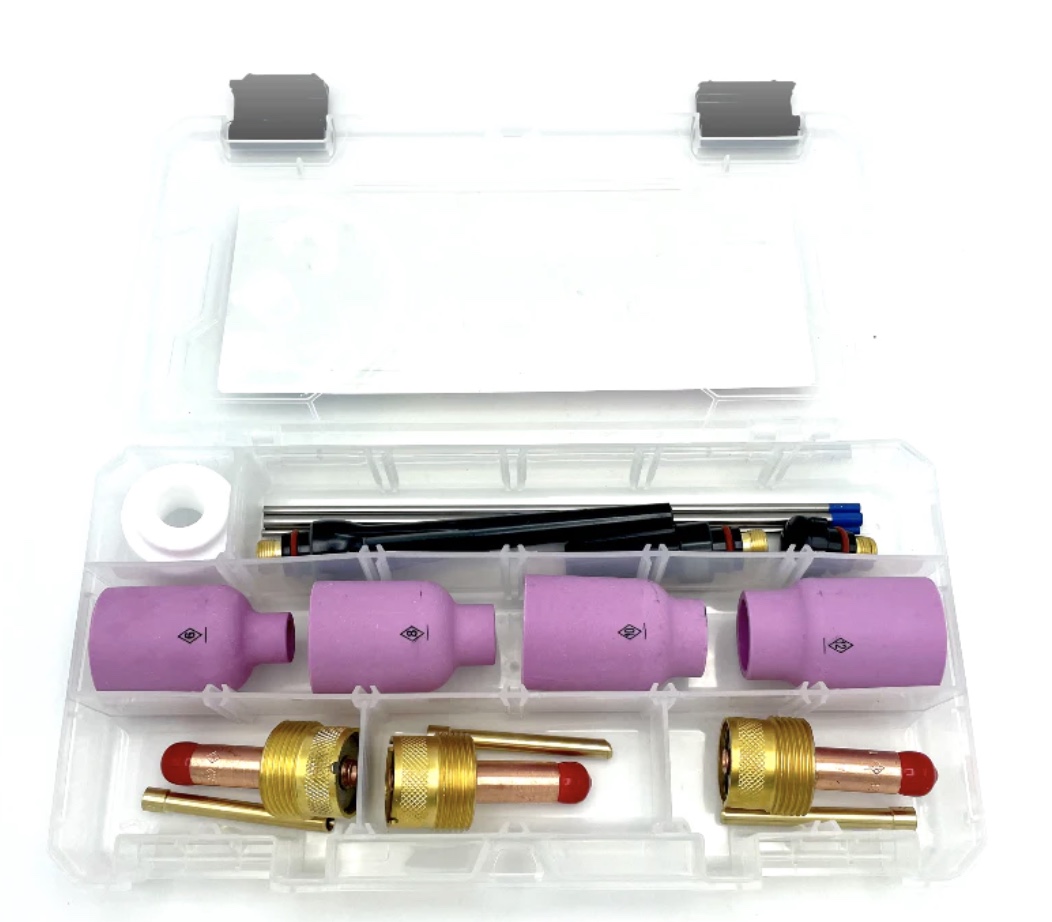
- using large gas lenses for extra gas shielding
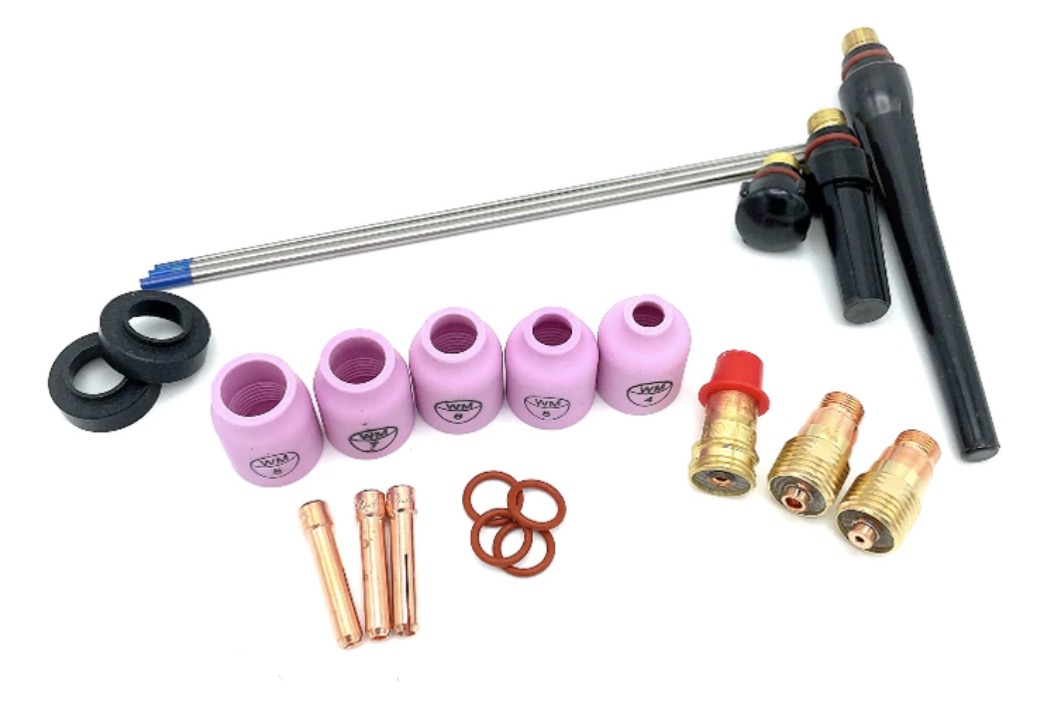
Our new LArge Diameter Gas lens kit now comes with 5/32" setup for those high amperage jobs
You might like these
Discolored Stainless Steel Welds - What causes gray welds?
Discoloration in Stainless Welds - What causes discolored stainless steel welds
Would you like to get free welding videos in your inbox every week?

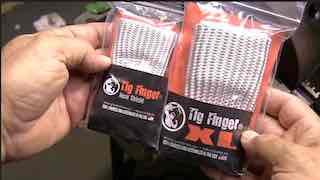
Tig FingersThe Real and Original TIG Finger® and XL model
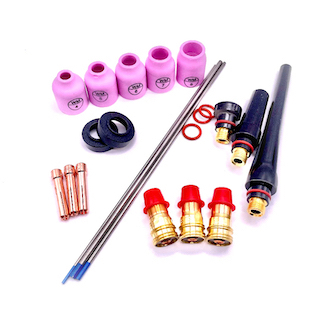
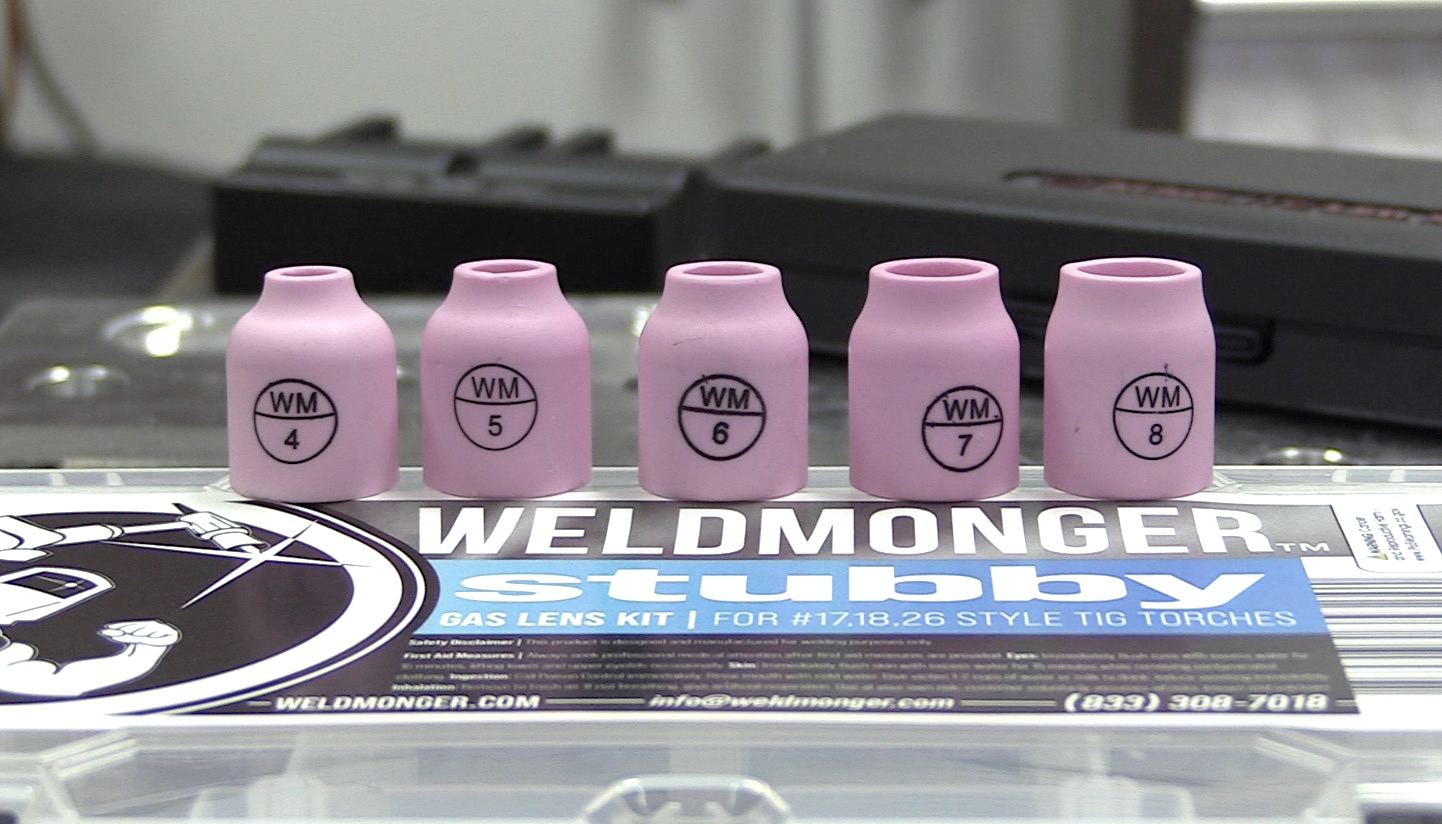
Stubby Gas Lens and Pro TIG kits
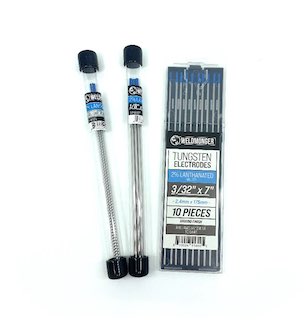
2% Lanthanated, CK LaYZr, Purple, more
Our Weldmonger Stubby Gas Lens kit is the Best