Take advantage of our Free Welding Guides loaded with Video links
My First TIG Welder

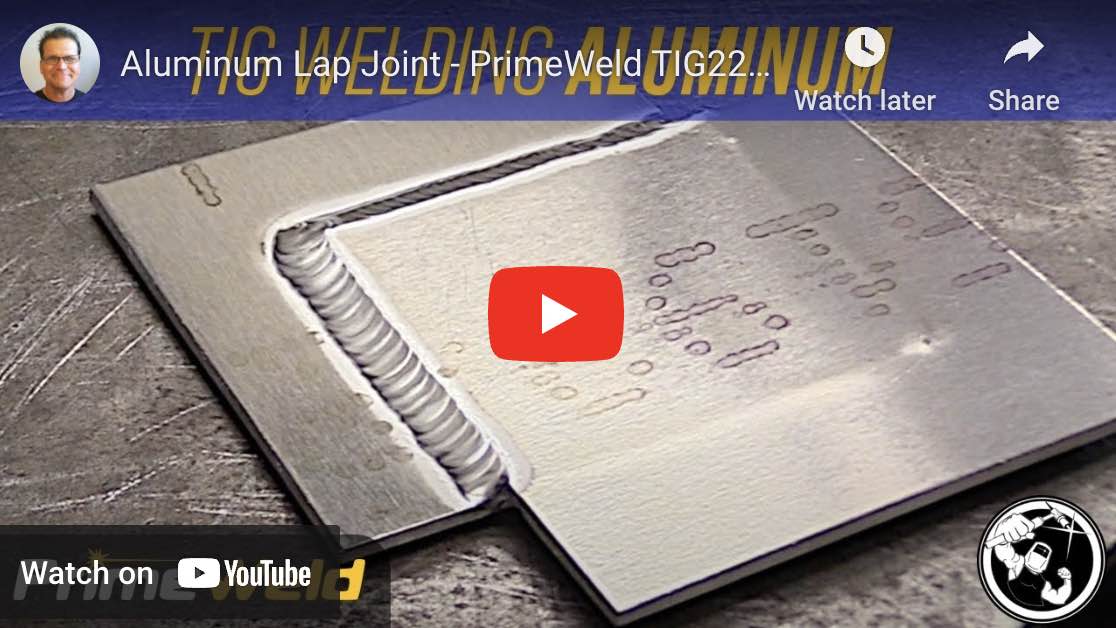
I bought my first TIG welder in 1993.
I didn't just decided I wanted one. It started with a call from my credit union telling me I was overdrafted.
I had taken quite a pay cut going from journeyman union pipe welder to junior mechanic welder at Delta AirLines TechOps and when the gulf war hit and overtime was cancelled, I just plain ran out of money.
So I started moonlighting after hours at a local job shop.
The pay was not great but it sure helped.
Then I learned that a small repair station needed welders to repair some aluminum parts but only if you had your own welding equipment.
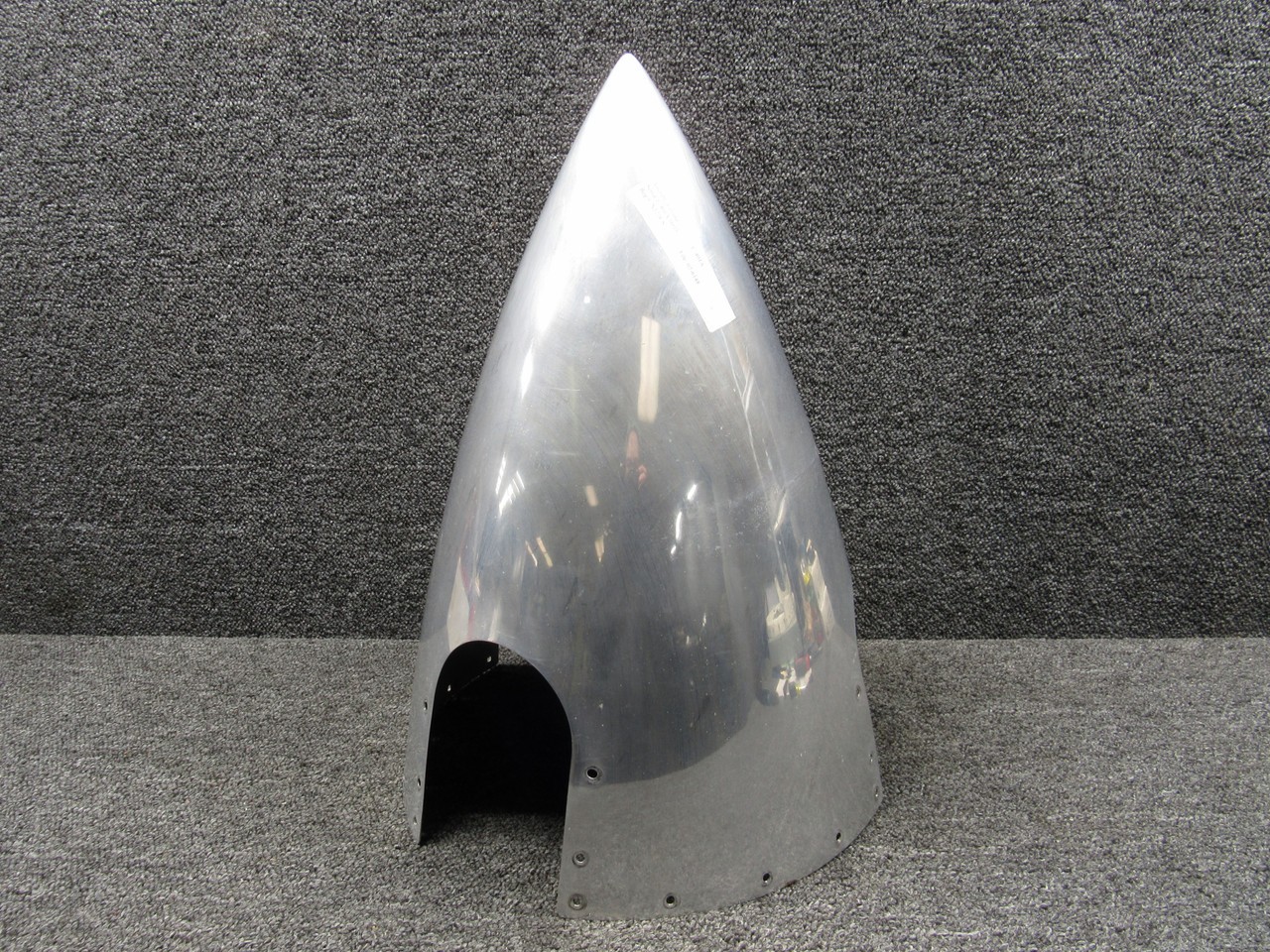
So I bought a fully decked out Miller Syncrowave 250 with running gear, water cooler, torch, dual flowmeter, and a tank of argon and started welding those aluminum prop spinners for 40 bucks each.
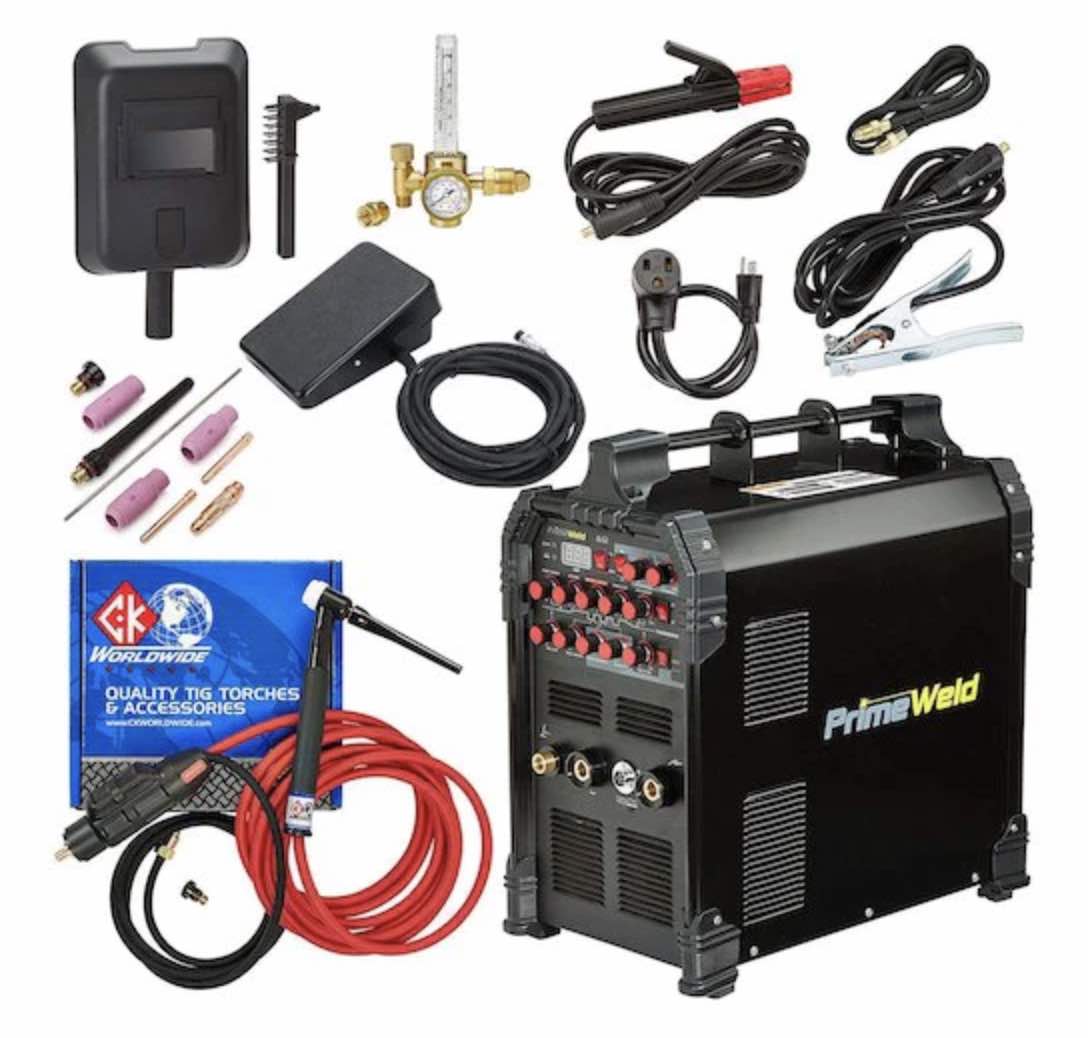
Learn more about this affordable tig welder with bonus kit at weldmonger.com
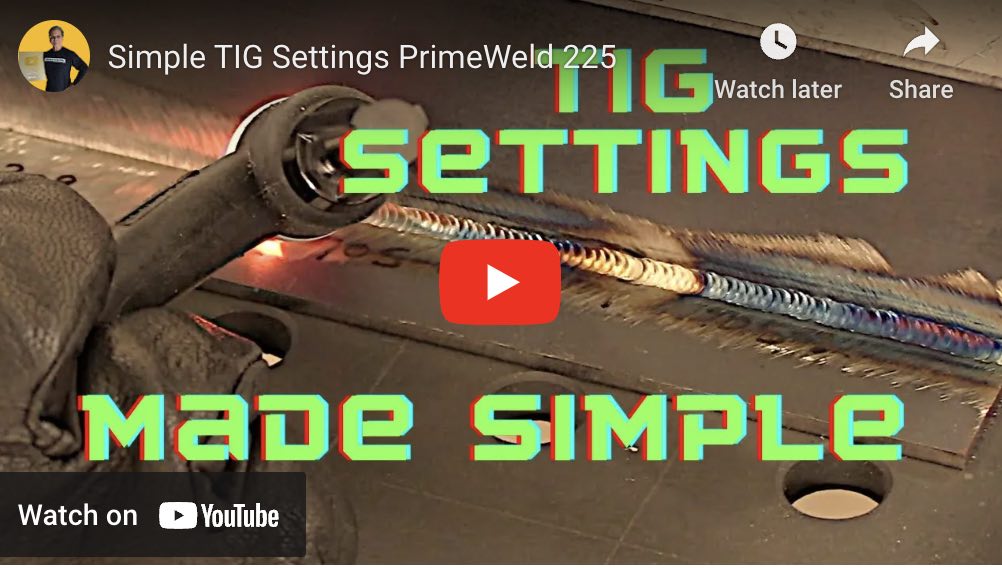
Welding in my own garage was way better than moonlighting at a second job and it payed a lot better.
Then another opportunity came along.
A machinist where I worked heard that I had a welding shop and he needed some parts repaired quickly.
He had taken a part to another weld shop and they absolutely cobbled up the part.
They migged where they should have tigged and tigged where they should have migged.
The part was an absolute mess and was scheduled to be on display at a trade show in a week and still needed nickel plating.
The guy was desperate to get this part fixed, plated, and sent to the customer.
Part of the reason the part was so messed up was that there was a 303 free machining stainless axle and two 12L14 bosses and free machining steels are not really recommended for welding.
(They tend to crack and undercut unless you use the right techniques like keeping the arc away from the toes of the weld)
It was actually a great opportunity for me to show that machinist that I could not only fix his part quickly, but I could weld free machining steels for him on future parts.
I suppose it took me about an hour total to have that part repaired and looking good enough to show off at a trade show.
I just ground out the ugly welds, blended off any arc strikes, and re welded using 309 filler rod for the 303 to Carbon steel welds and er70s2 for the 12L14 to carbon welds.
I took special care to add a dab of extra filler at the end as I tapered amperage to avoid crater cracks.
And I used a simple lay wire technique to avoid sweeping the arc near the toes of the welds to avoid undercutting the free machining steel parts.
After I repaired that part, I started doing a lot of welding jobs for that machinist.
And along the way, word spread that I had a side hustle welding shop and I picked up a few more customers…mostly mom and pop machine shops that did not have a good welder on staff.
A lot of machinists can weld but not all do. And a lot of them are not 100% confident when it comes to precision parts that need to look a certain way.
And when they have freshly machined stainless, aluminum , or 4140 steel parts, they want the welds to look as good as the finished machined surfaces.
If you can weld their parts correctly and make everything look good, you can get quite a bit of work from small machine shops.

Would you like to get free welding videos in your inbox every week?

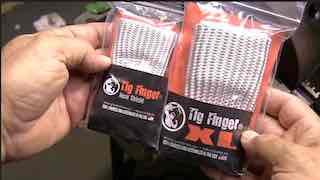
Tig FingersThe Real and Original TIG Finger® and XL model
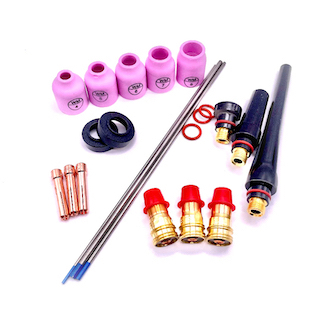
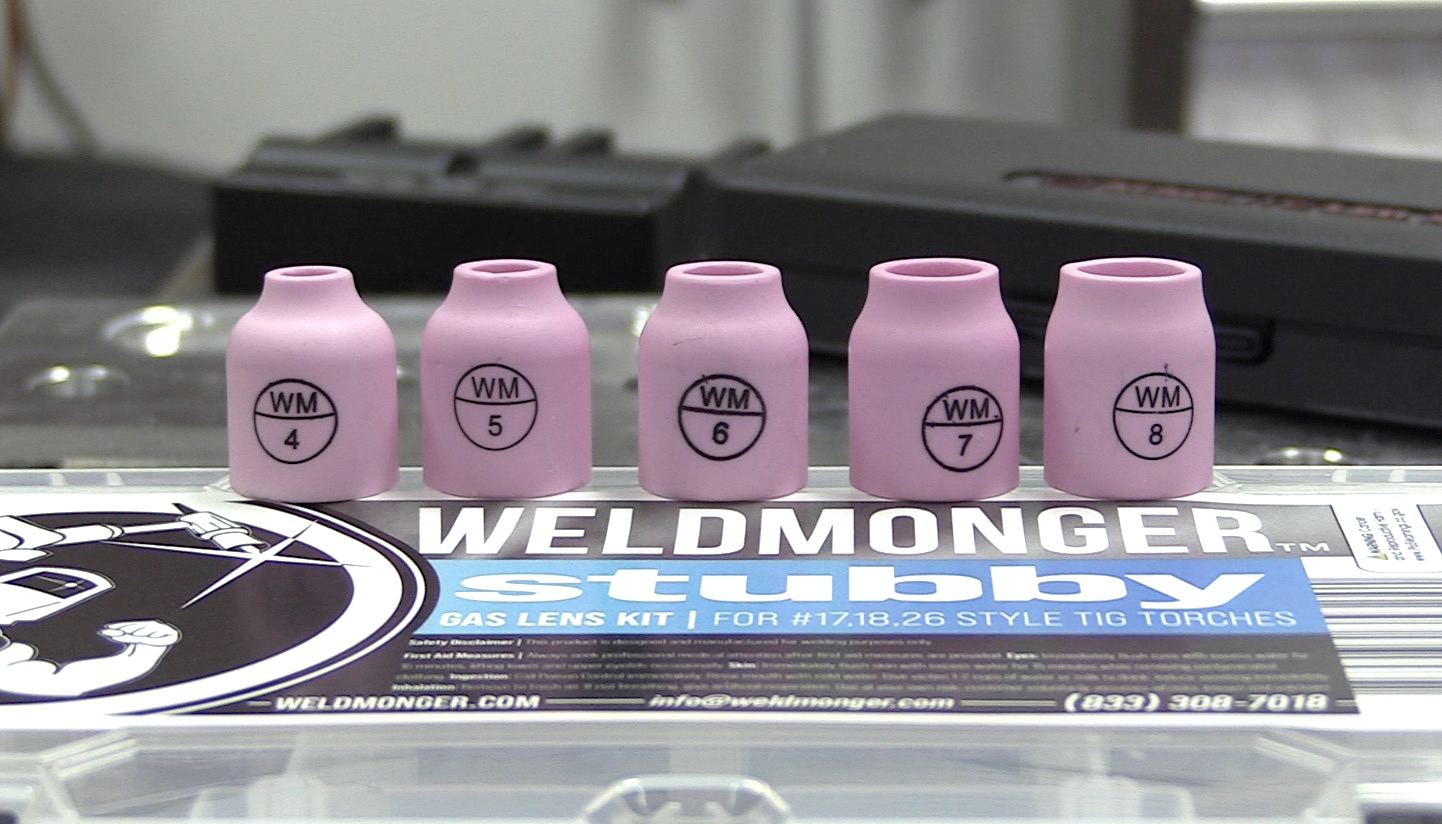
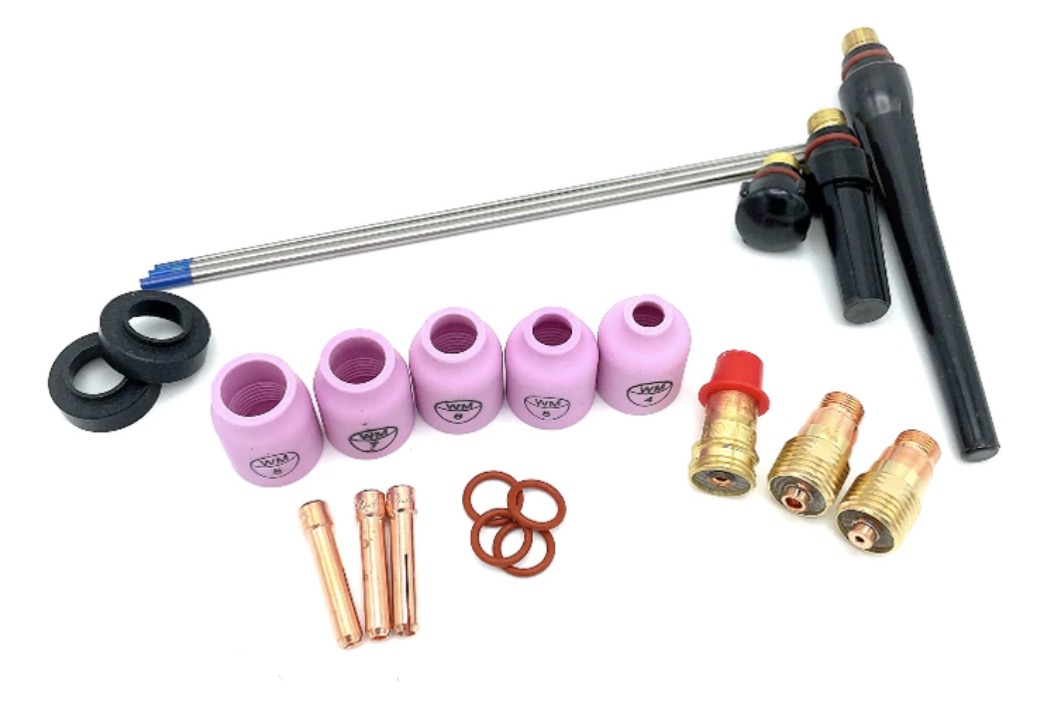
Stubby Gas Lens and Pro TIG kits
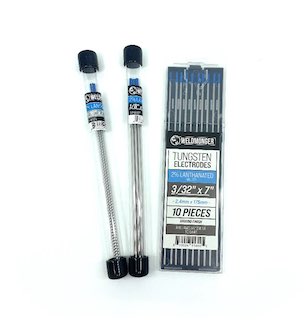
2% Lanthanated, CK LaYZr, Purple, more
Our Weldmonger Stubby Gas Lens kit is the Best