Take advantage of our Free Welding Guides loaded with Video links
How to weld vertical up 7018 Stick

3/32" 7018 Vertical up
1/8" 7018 vertical up
- HOME
- STICK WELDING
- How to Weld Vertical Up 7018
Amperage, Polarity, arc control, and hot start settings- for learning how to weld vertical up 7018
Polarity - make sure your machine is set to DCEP Direct Current Electrode Positive also sometimes referred to as Reverse Polarity.
Its way too easy to accidentally plug in the stinger to the wrong dinse so make sure to check the owners manual. Usually the stick stinger will connect to the electrode positive port but machines are all a bit different.
There are exceptions but 7018 rods are mostly run on reverse polarity DCEP.
Next make sure your amperage is within the amperage range for the diameter 7018 you are using.
Remember that for vertical up stick welding, less amperage is needed than for welding flat or horizontal welding.
The thickness of the steel also makes a difference but as a rule of thumb for 1/4" and thicker around 80-90 amps will work for 3/32", 105-120 amps will work for 1/8" 7018 and 140-150 amps for 5/32"
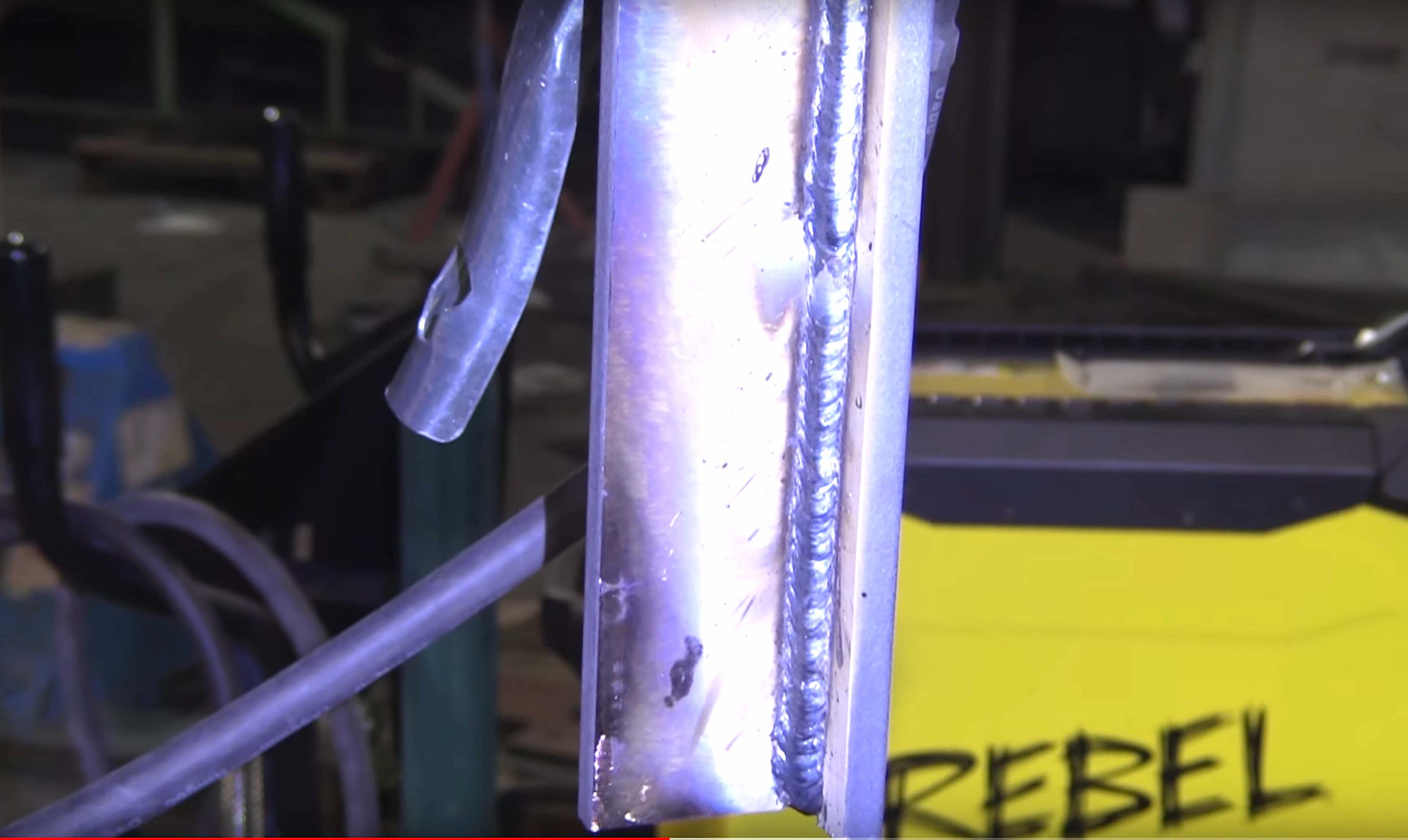
A 5/32" 7018 requires around 140 amps
Arc force aka arc control aka dig function. Some machines are equipped with a setting that senses the drop in voltage when the arc length gets tight.
When the voltage drops, the machine automatically increases amperage a bit when the arc gets too tight.
This is a good feature but not 100% needed for stick welding 7018 vertical up.
In fact, if you are a student, you might want to turn this feature off because you may not have it on whatever machine you are required to use later when you take a welding test.
Hot start is another feature that starts the rod with more amps for a second or two to help you not stick the rod.
You may be better off not relying on hot start because not all machines have this setting.
Arc Length
Arc length is important. It is probably one of the main things that makes a difference when learning how to weld vertical up witih 7018.
To long an arc will make welding vertical with 7018 very difficult.
Your arc length needs to be the diameter of the electrode or slightly less but remember that a 7018 burns back up inside the flux a bit try holding a tighter arc than you think.
Dont jam it in but you should feel the flux rubbing on the metal.
Angle of Travel
Rod Angle on a 7018 vertical weld should be a slight push angle.
Rod angle can be very forgiving provided your arc length is good.
You should experiment with rod angle starting with a 90 degree angle and then a slight push angle to see what works best.
Manipulation or Weaving
Welding specifications, procedures, and codes sometimes specify stringer beads with little or no weaving.
But a slight manipulation often helps to overcome the effects of gravity and helps a 7018 vertical bead to lay down flatter.
You need to be able to run stringers or weave...whatever the situation call for.
Travel Speed
Too fast a travel speed on uphill 7018 often results in undercut on the toes of the weld.
Too slow a speed can build up heat and cause sagging.
Travel speed should be just slow enough to fill in the toes of the weld so that there is no undercut.

There are many more videos and articles here at welding tips and tricks on how to weld vertical 7018.
You might like these
Stick Welding TEst
10 Quick Simple Tips for Passing a Stick Welding TEst
Horizontal Weld Test 7018 with backing
A video of a 2g horizontal weld test using a 1/8" 7018 rod and backing strap
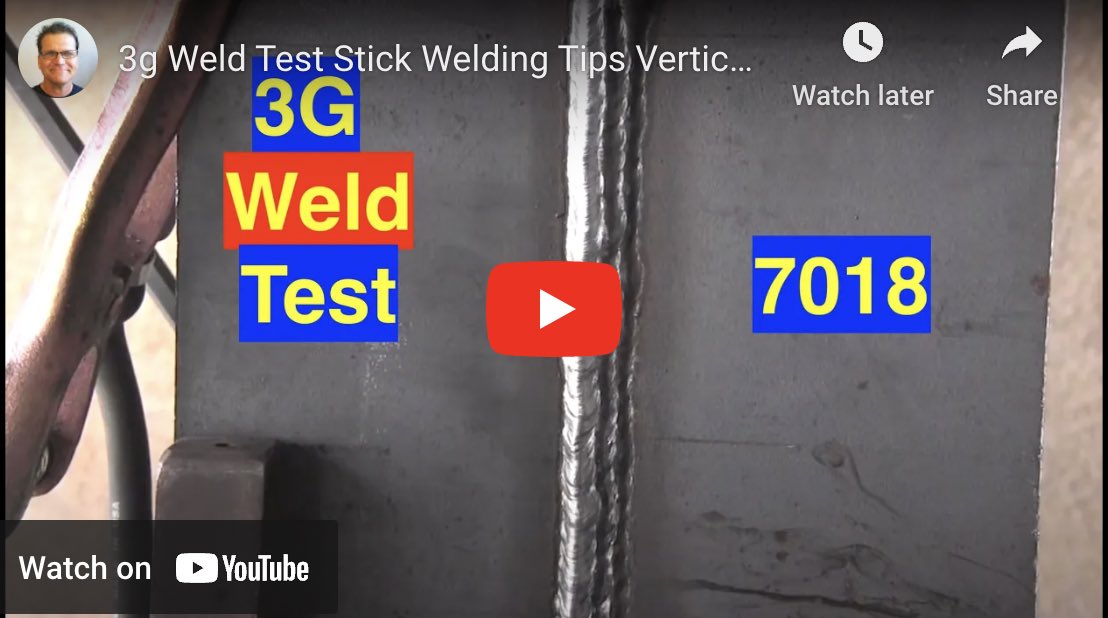
3G Weld Test Vertical Up 7018
Would you like to get free welding videos in your inbox every week?

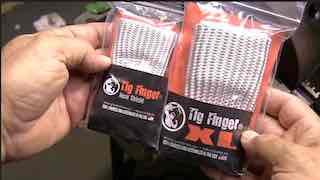
Tig FingersThe Real and Original TIG Finger® and XL model
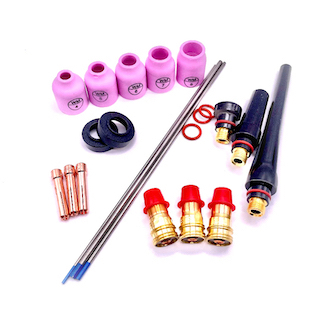
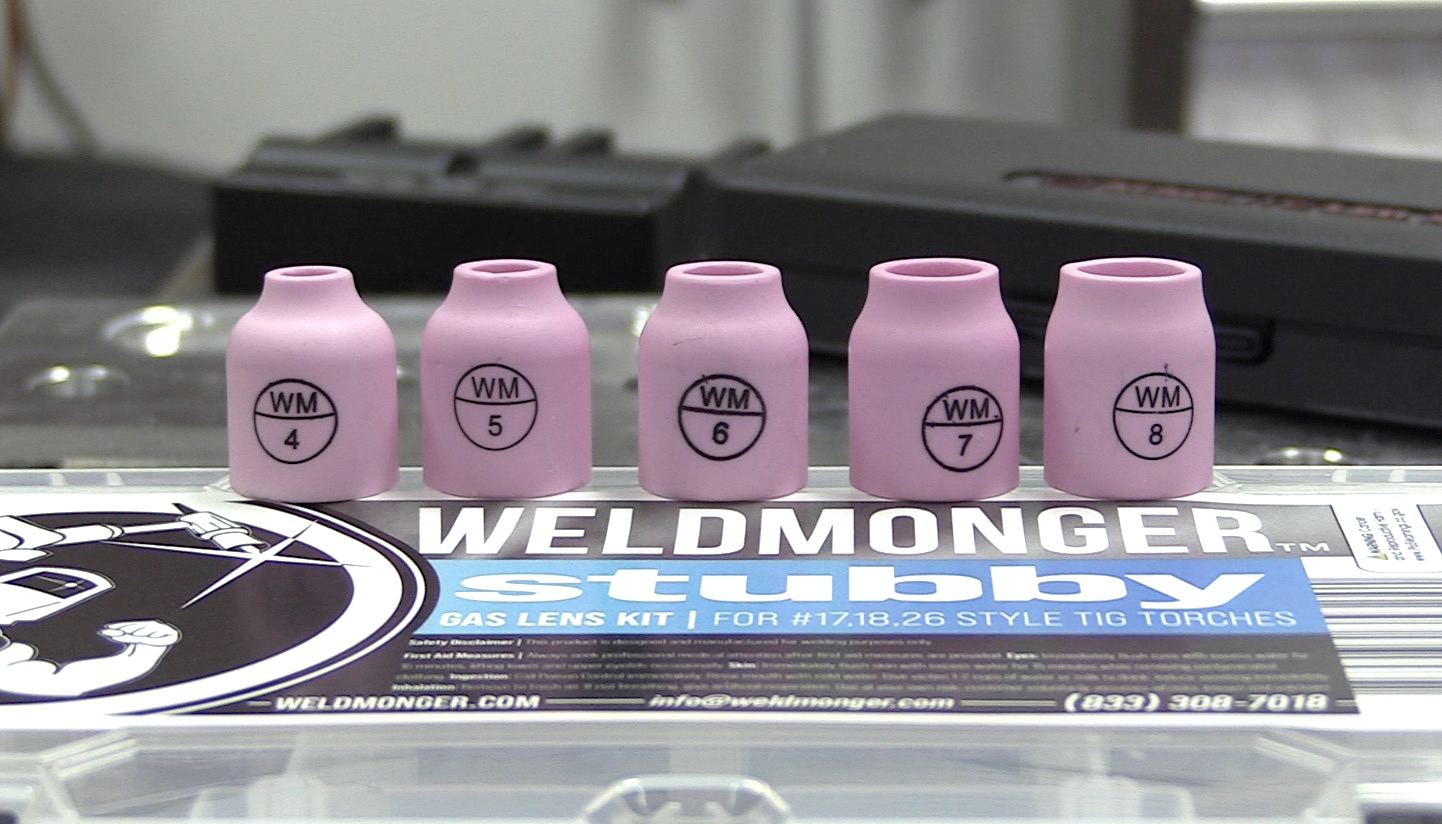
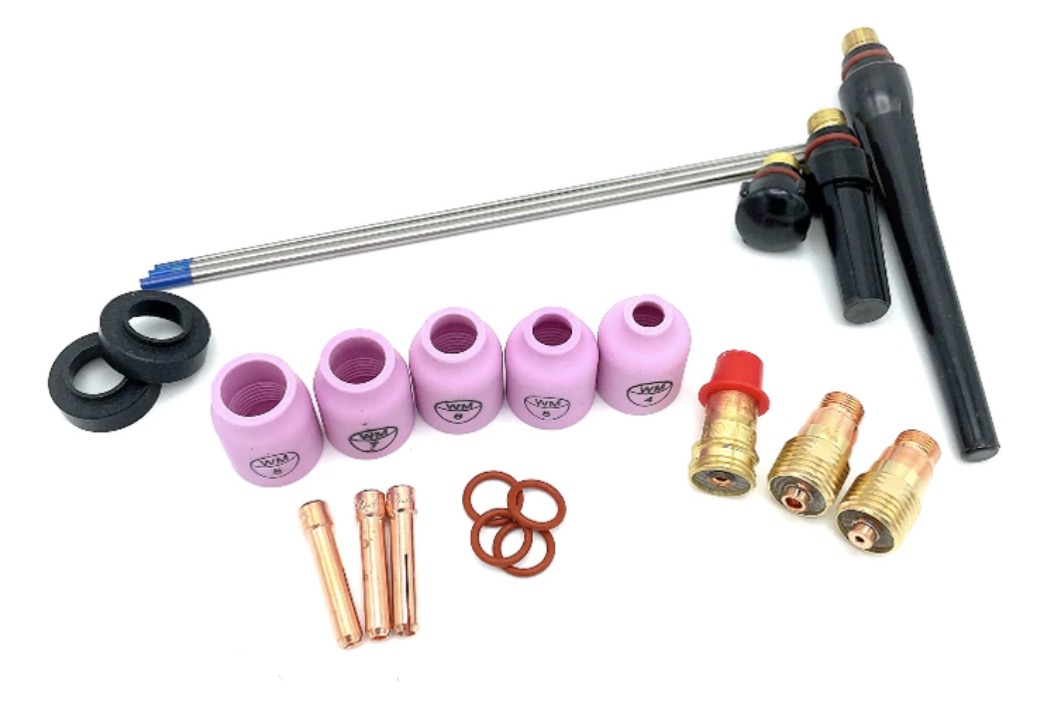
Stubby Gas Lens and Pro TIG kits
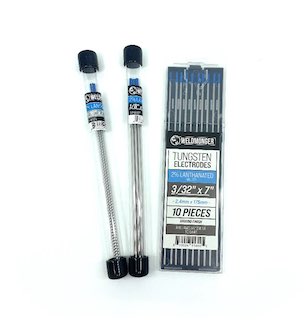
2% Lanthanated, CK LaYZr, Purple, more
Our Weldmonger Stubby Gas Lens kit is the Best